Can a Fairness Cream Damage Your Kidneys? Mercury in Skin-Lightening Creams
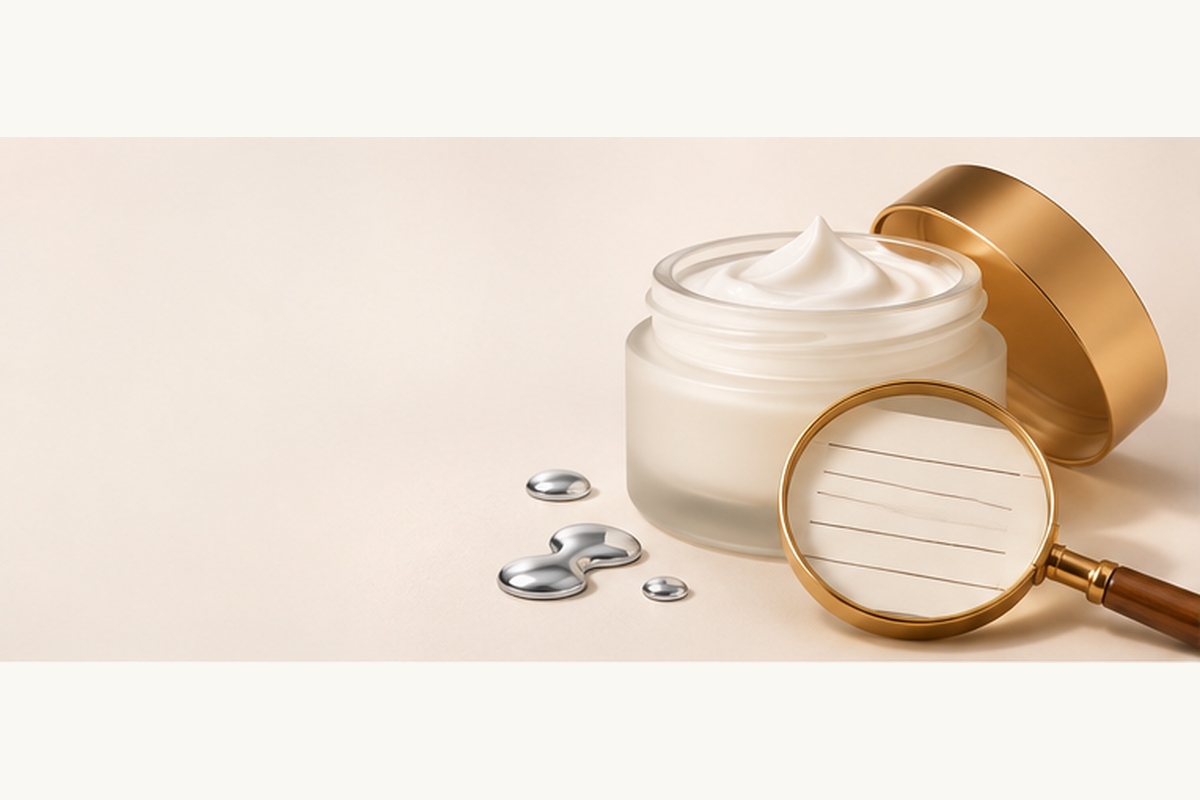
Short answer: Yes — if the cream contains mercury. Some illegally made or unregulated fairness creams contain mercury, which is absorbed through the skin and can build up in the body. Kidney damage, including protein leaking into the urine, has been reported with long-term use of such creams, and mercury can also affect the skin, the nervous system and other people in the same household.
Dr. Nikita Soans spoke to Times Now about the risks of mercury in fairness creams, following reports of a teenager in Kerala who developed kidney disease.
Read the article: “Can A Fairness Cream Damage Your Kidneys?” — Times NowWhy do some fairness creams contain mercury?
Some illegally manufactured or unregulated fairness creams contain mercury because it blocks melanin production and makes the skin look lighter. That effect comes at a serious cost. Mercury is absorbed through the skin, and the risk rises when a cream is applied repeatedly, over large areas or for months at a time.
How does mercury harm the skin and the body?
On the skin, mercury can cause irritation, rashes, uneven discolouration, increased sensitivity and damage to the skin barrier. Once absorbed into the bloodstream, it can accumulate in the body.
The kidneys are particularly vulnerable. Kidney damage, including protein leaking into the urine, has been reported with long-term use of such creams — often a condition called membranous nephropathy, in which the kidney's filters are damaged. An Indian case series has described this link in people who used skin-lightening creams. Mercury can also affect the nervous system, causing symptoms such as tremors, irritability, numbness or poor concentration.
Are family members also at risk?
Yes. The danger is not limited to the person using the cream. Mercury can contaminate towels, bedding and household surfaces, exposing family members — including children — through everyday contact.
How can you identify a risky product?
- Creams that promise rapid whitening, a dramatic change in complexion or results within days
- No full ingredient list, no regulatory approval or no traceable manufacturer
- Products sold online or through informal channels, which may contain mercury that is not declared on the label
- Ingredient names such as “mercurous chloride”, “calomel”, “mercuric” or “hydrargyrum”, which indicate mercury
The permissible limit for mercury in cosmetics is 1 part per million, and products tested in reported cases have contained many times that amount. In July 2026, the Maharashtra Food and Drug Administration booked makers of several skin-lightening products after tests found mercury above the permissible limit.
Can skin colour be safely changed?
Skin colour is determined largely by genetics and melanin. It is not a condition that needs correcting, and trying to change it with unregulated products can harm both the skin and overall health. Concerns such as uneven pigmentation, melasma or tanning have specific causes and are managed differently.
What should you do if you have used such a cream?
Stop the product immediately and keep the packaging. Persistent redness, burning, new pigmentation or unusual skin reactions — or symptoms such as swelling of the face or feet, frothy urine or tremors — should be assessed by a doctor, as blood and urine tests can check for mercury exposure and kidney involvement. No skin-lightening product should be used without checking its ingredients and safety, ideally with a dermatologist's guidance.
Frequently asked questions
Can a fairness cream damage your kidneys?
Yes, if it contains mercury. Mercury is absorbed through the skin and can damage the kidneys' filters, causing protein to leak into the urine.
Why do some fairness creams contain mercury?
Mercury blocks melanin production, so the skin looks lighter — but at a serious risk to the skin, kidneys and nervous system.
How can I tell if a fairness cream contains mercury?
Look for names such as mercurous chloride, calomel, mercuric or hydrargyrum, and avoid unlabelled or untraceable products that promise rapid whitening — mercury is often not declared.
Can mercury from a cream affect family members?
Yes. Contaminated towels, bedding and surfaces can expose others in the household, including children.
What should I do if I have used such a cream?
Stop using it, keep the packaging, and see a doctor if you have skin reactions or symptoms such as swelling, frothy urine or tremors. Tests can check for mercury exposure and kidney involvement.
Sources
- Can A Fairness Cream Damage Your Kidneys? — Times Now
- NELL-1 associated membranous nephropathy linked to skin fairness cream use — Indian case series, summarised by Medindia
- Maharashtra FDA action on mercury in skin-lightening products — UNEP Global Mercury Partnership
Dr. Nikita Soans, MBBS, MD (DVL), DNB (DVL), FRGUHS (Dermatosurgery) · Dermatologist, Bengaluru
Content origin: AI-generated · Medically reviewed
This article is for general health information and does not replace a medical consultation.